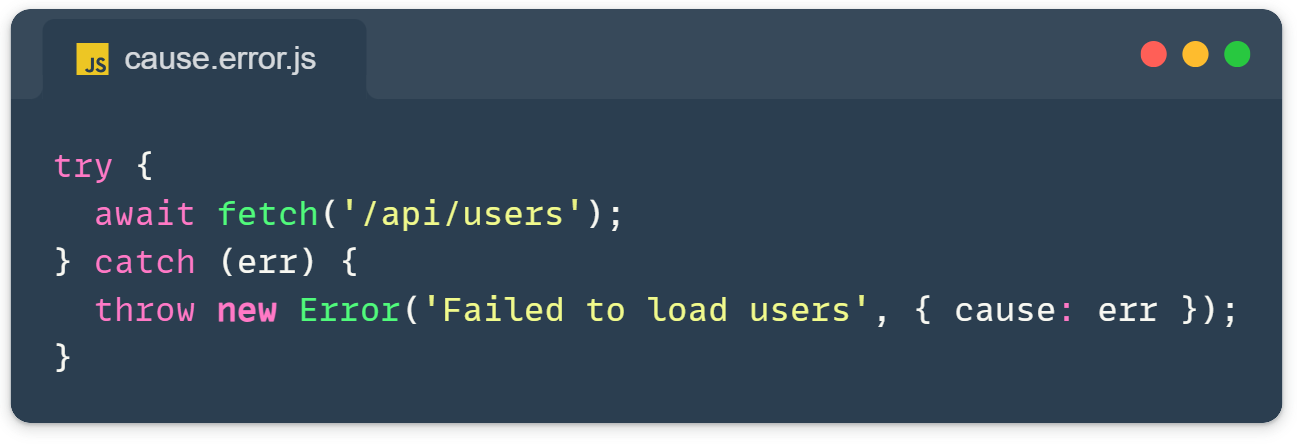
Traditional error wrapping destroys the original error, you lose the stack trace, error type, and all context. Error.cause solves this by preserving everything through multiple layers. Continue reading...👉
Sharpening your frontend skills, one tip at a time
Traditional error wrapping destroys the original error, you lose the stack trace, error type, and all context. Error.cause solves this by preserving everything through multiple layers. Continue reading...👉
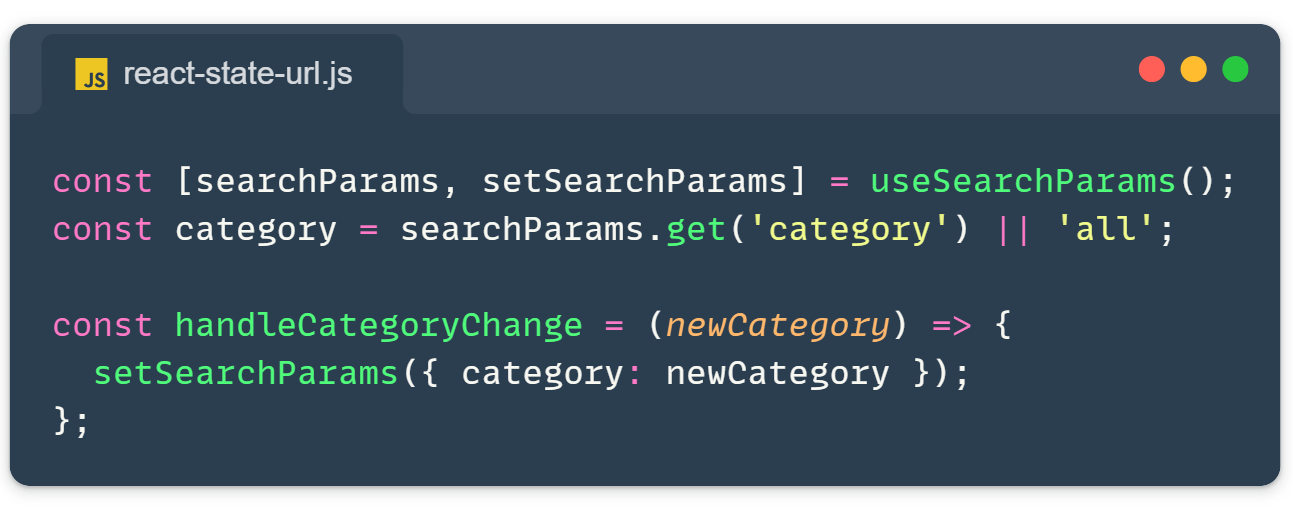
Ever filtered products or searched in a React app, only to lose everything on refresh? That’s where React URL state management comes in. By syncing filters, search queries, and pagination with the URL, you make your app refresh-proof, shareable, and user-friendly. Read more here 👉
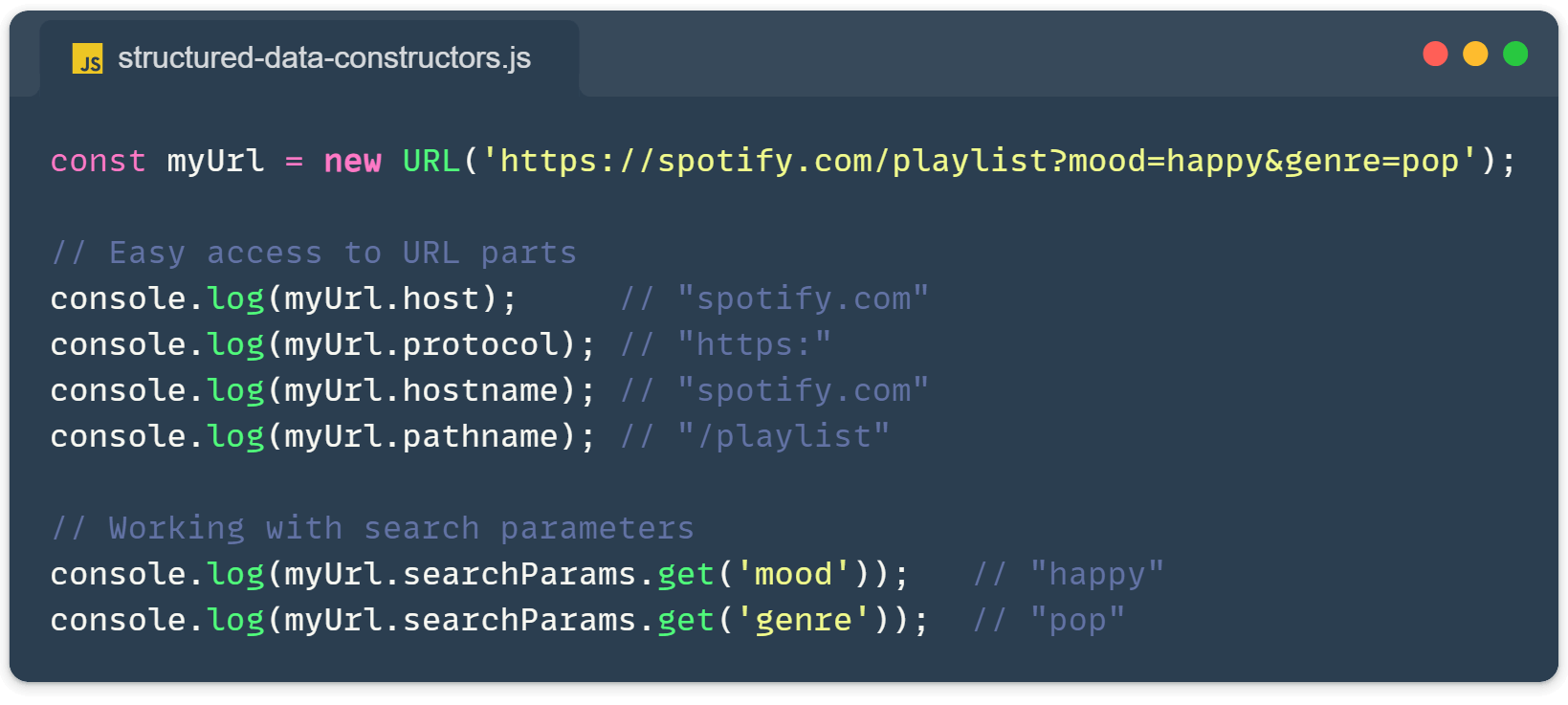
Working with URLs and form data in JavaScript can be challenging. Learn how built-in constructors help you handle these tasks efficiently, with practical examples using URL(), FormData, and TextEncoder. Read more...
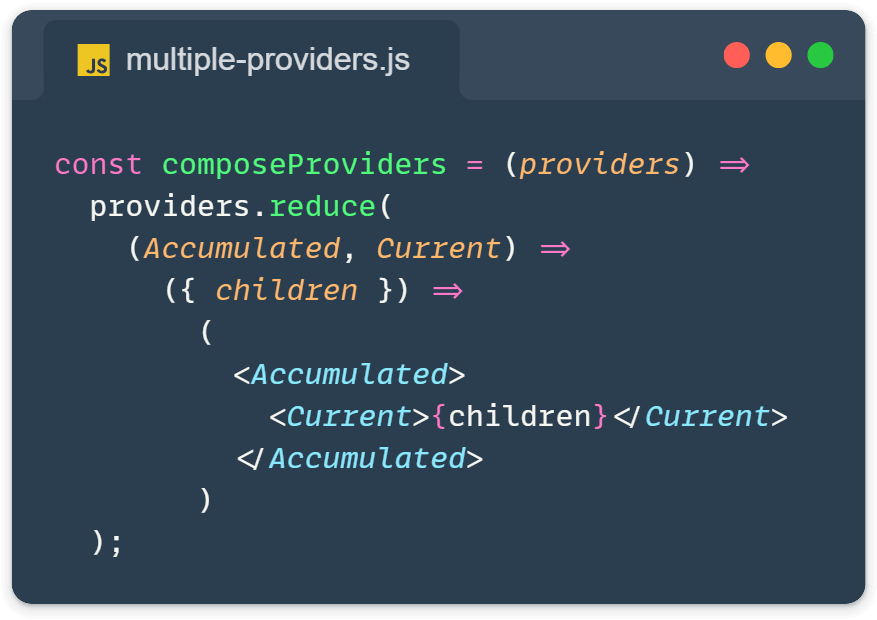
Ever found yourself drowning in nested React providers? Here's a simple composition pattern that'll make your code cleaner and more maintainable! Read more... 👉
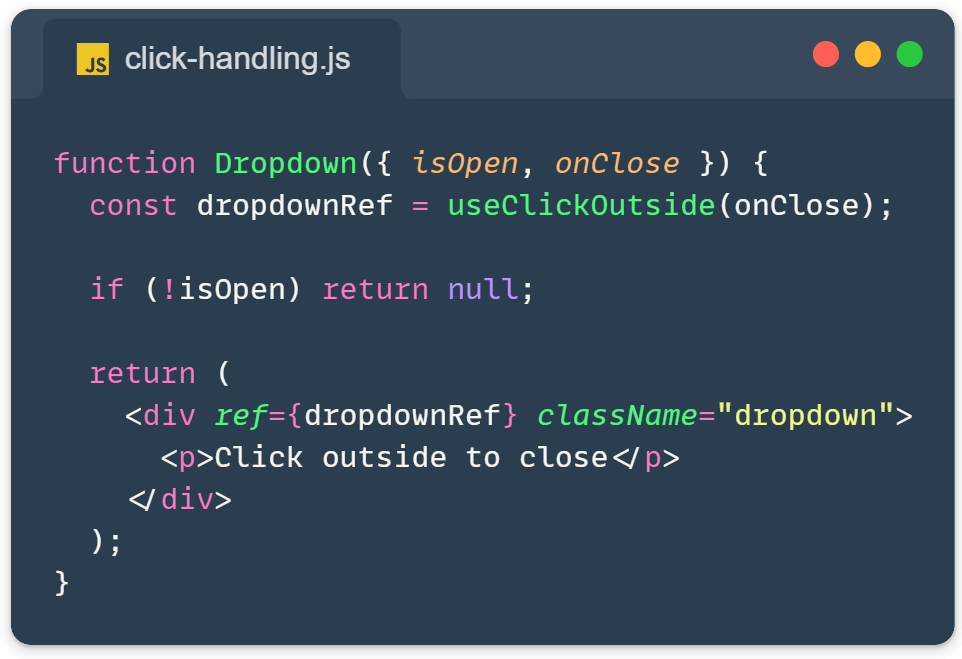
Ever wished your React components could handle clicks more cleverly? You ever had to go beyond basic onClick? Check how to create custom hooks for precise click handling. Read more... 👉